

2026 rideau family reunion
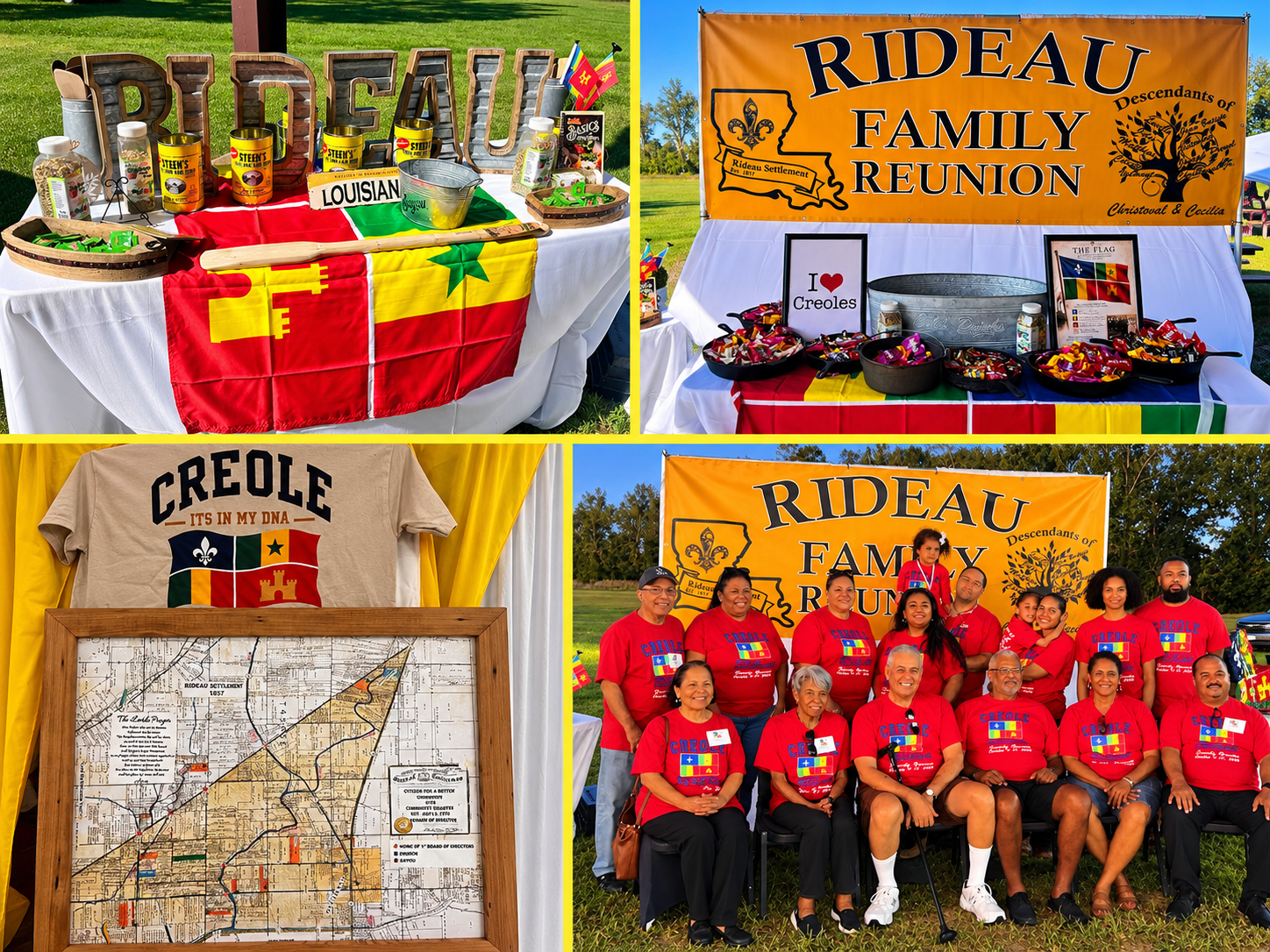
2026 Christoval RIDEAU & Cecilia FRILOT Reunion
Lebeau, Louisiana
More Than a RIDEAU Family Reunion: The Family Connections and History of Palmetto-Lebeau, Louisiana
A week ago, I was in the historic town of Lebeau, Louisiana, celebrating a traditional RIDEAU family reunion at Immaculate Conception Catholic Church. When I tell y'all that this was one of the most memorable family reunions I have attended, I mean that. Not only because of the food, music, and hospitality, but because of the historical significance of the families who were gathered together, many of whom share ancestors going back several generations.
As soon as I arrived, my cousin Joyce RIDEAU METOYER, the daughter of Earl RIDEAU, and Jacqueline RIDEAU GRIFFIN, the daughter of Harold RIDEAU, greeted me with big hugs. Joyce, whom I often refer to as the community historian, is one of the many descendants actively researching and documenting the history of Zenon RIDEAU, a notable free man of color whose family history is closely associated with this community. They even had a reunion shirt waiting for me that Joyce's niece had customized. It was such a good feeling to be welcomed by family, especially knowing the amount of research I have conducted on their ancestors over the years.
As we turned the corner, all I could see was a sea of red shirts representing the descendants of Christoval RIDEAU and Cecilia FRILOT. They even had a live Zydeco band playing while the family was lining up to get their food. Cousin George was greeting everybody, and everywhere I turned, I saw familiar faces, including people I have been friends with online for nearly two decades throughout my genealogy research. It was especially meaningful to have people recognize me from social media because of the family history and documentation I have shared over the years. Some of these people I had known through photographs, family trees, and online conversations, but being able to embrace them in person was a completely different experience.
And let me tell y'all about the food!
I noticed the ladies who were serving food wearing their matching aprons with the big letter R. I thought that was one of the most organized and creative things I had seen at a reunion, and of course, I had to take a picture. They were letting everybody know that this food was prepared by the RIDEAUs!
And the food was absolutely amazing! I don't believe I have ever attended a reunion where they served okra, backbone, red beans, and fried chicken. Everything was delicious! And let me give a special shout out to Shane BOAGNI because when it comes to fried chicken, his chicken is the STANDARD!!!! I don't know what he's doing to that chicken, but he has definitely set the bar! I'll discuss Shane a little later because our family connection turned out to be another interesting discovery.
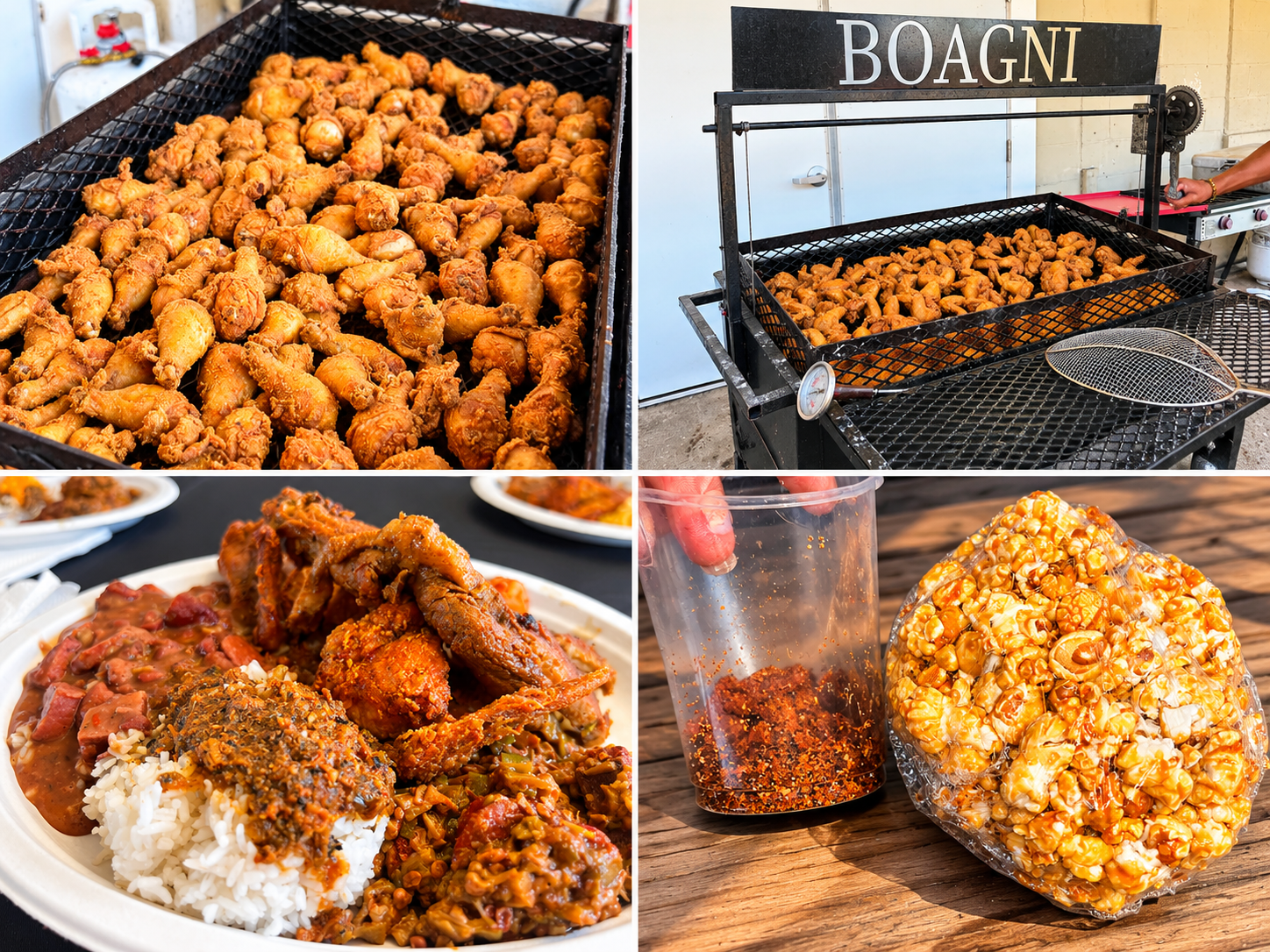
YUMMY!!!!
The entire atmosphere was on another level. Between the Zydeco music, the food, the conversations, and watching different generations of the family enjoy themselves, this was exactly the kind of feeling you would want people to experience at a family reunion.
I also had the opportunity to see my cousin Torii MARTIN, who has been attending just about every family gathering connected to St. Landry Parish. I really admire her dedication to learning about her family and representing her particular branch of the RIDEAUs. Torii descends from Amy RIDEAU, whose family history connects to Jean Baptiste RIDEAU, a man whom Zenon RIDEAU liberated from bondage on behalf of his son. These are the kinds of historical connections that make our family gatherings even more significant when you understand the documentation behind them.
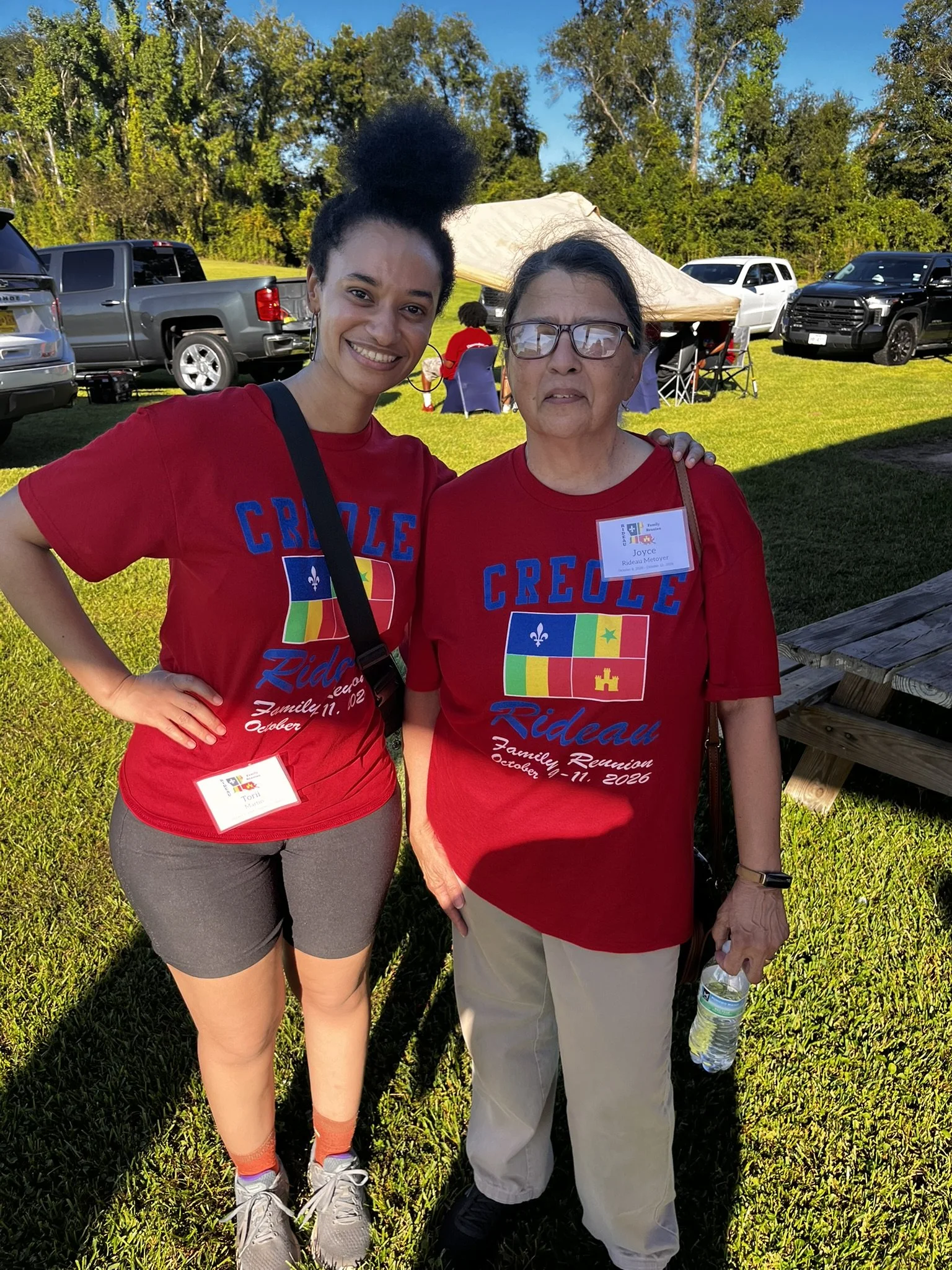
Cousins Torii Martin & Joyce RIDEAU METOYER
The Historical Connection Between the RIDEAU, DONATO, and LAFLEUR Families
Now, here is where this reunion became especially significant to me as a genealogist and a descendant of these families.
Christoval RIDEAU, whose descendants were being celebrated at this reunion, was the son of Lucy LAFLEUR. Through my research, I discovered documentation establishing that Lucy and her son Christoval were purchased while enslaved by Zenon RIDEAU, his brother-law Francois JEAN, f.m.c., and Sabin DONATO, f.m.c.
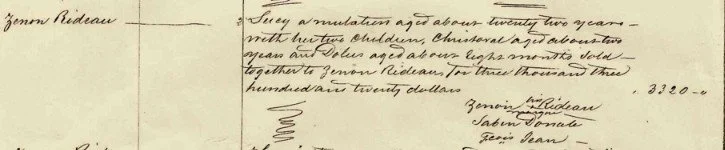
Sabin DONATO was the brother of my ancestor Olympe DONATO.
Just imagine attending a family reunion where nearly everybody is celebrating their descent from a particular ancestor, and you have historical documentation showing how your own ancestors were directly connected to that family's history during slavery. That was the significance of my presence there.
For years, I had understood Sabin DONATO to have left no legitimate descendants. However, another interesting discovery came about after my cousin Bun B interviewed me concerning our family history. His longtime bodyguard, Truck, turned out to be a descendant of Sabin DONATO. Through additional research, I was able to confirm that Sabin had fathered children whose descendants eventually settled in the New Iberia area. Among his children was a daughter named Celeste, named after his mother.
So even the DONATO family history continues to reveal additional branches that were previously unknown to many of us. But the LAFLEUR connection was perhaps the most fascinating part of the entire reunion because I realized that I was related to many of the people in attendance through more than one ancestral line.
The Origins of Our LAFLEUR Family in Grand Prairie
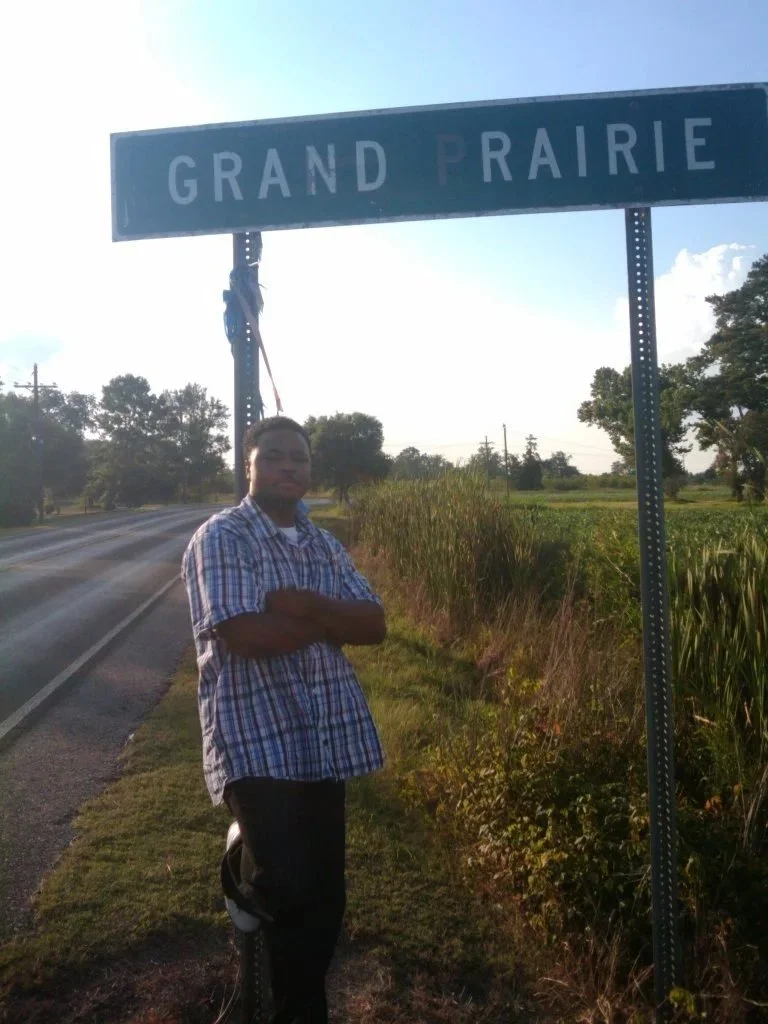
To understand the significance of these family connections, you have to go back to the origins of our LAFLEUR family in Louisiana.
Our LAFLEUR families all originate from Jacques LAFLEUR, who settled in the Grand Prairie community of the Opelousas Post following the French cession of its territories to the British during the eighteenth century. During this period, several French colonial families departed Mobile, Alabama, and relocated into Louisiana, including the family from which our LAFLEUR descendants originated.
Jacques LAFLEUR eventually established his family in Grand Prairie, where his descendants became connected to numerous families throughout the Opelousas region. Over the generations, his children and grandchildren established families of their own, creating ancestral relationships that extended into communities throughout St. Landry Parish and beyond.
What fascinates me is that centuries later, I can attend a family reunion in Lebeau and identify descendants from several branches of this same family. These are not simply people who happen to share a surname. Their ancestral relationships can be traced back to Jacques LAFLEUR and the families who established themselves in Grand Prairie generations before the communities of Palmetto and Lebeau developed into what we know today.
And that is what made this reunion so fascinating to me because I was literally surrounded by descendants of the same family whose history I have spent years documenting.
The SEMIEN Family: A Legacy of Landownership and Family Traditions
While attending the reunion, I also saw my cousins Willie SEMIEN and John SEMIEN. My connection to Willie has an interesting story of its own because I actually met him at H-E-B in Beaumont, Texas. When he passed by me, I couldn't help but notice how much he resembled my grandfather. I stopped him and said, "Man, you look like my grandfather!" Of course, I had to take a picture of him, and as we began talking about our families, I discovered that his great-grandmother was connected to my grandfather's family through the LAFLEUR and CARMON lines.
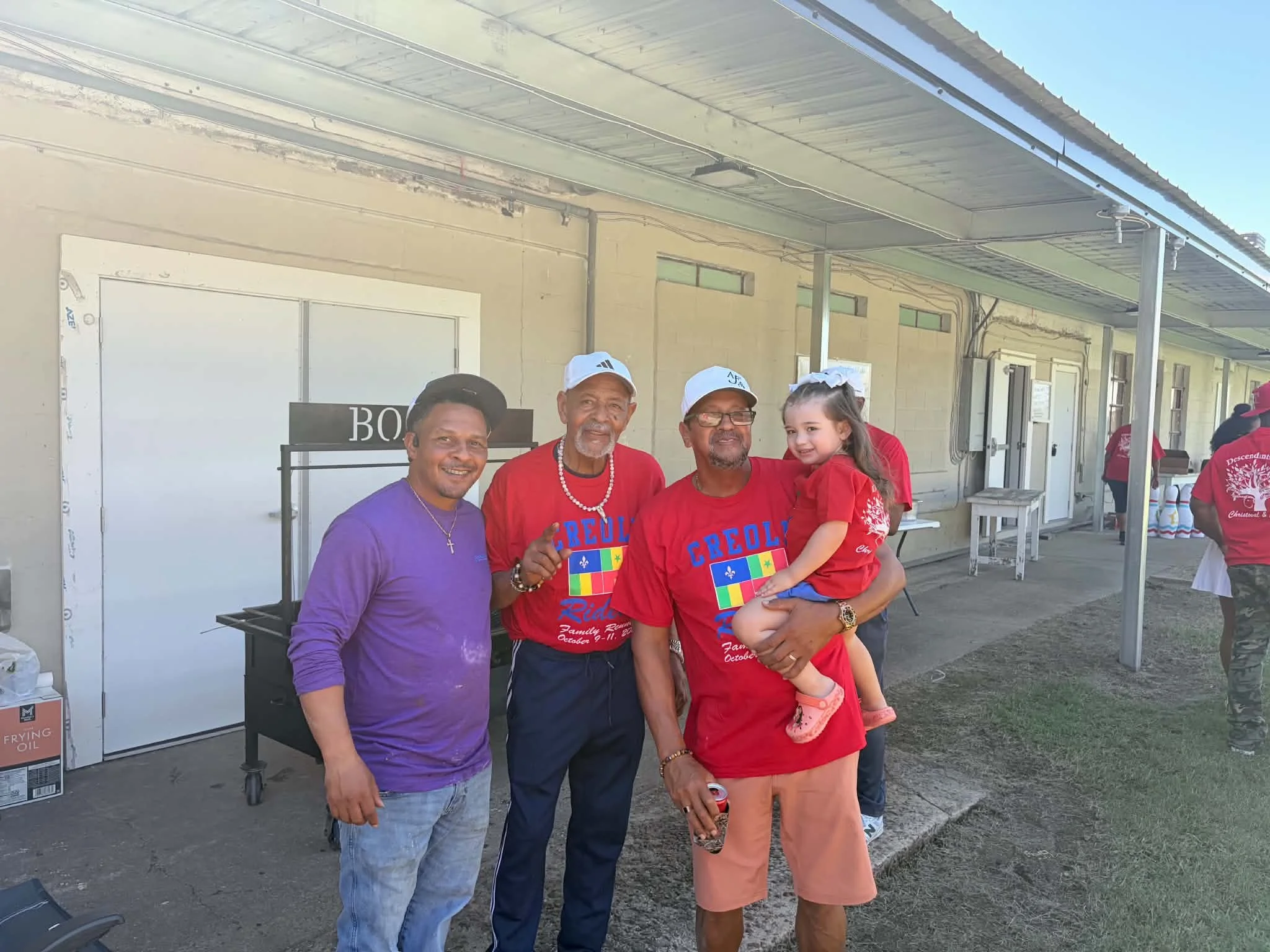
Shane BOAGNI, Willie SEMIEN, & John SEMIEN
His ancestor Clara LAFLEUR was married to Theodore CARMON, and Clara was the sister of my ancestor Francois LAFLEUR. That connection brought us back to the same extended family whose ancestry originated with Jacques LAFLEUR of Grand Prairie.
Now, many people throughout Southwest Louisiana and Southeast Texas may already be familiar with Willie and his family through SEMIEN Stables, particularly their involvement in trail rides and preserving a tradition that continues to bring families and communities together. But what makes their family history even more significant is that they descend from Marie SIMIEN, who, along with her sons, owned hundreds of acres of property in the Vaucherie area during the early 1800s. From the historical records I have researched, Marie and her family were among the largest property holders of color in Southwest Louisiana during that period.
Just think about that for a moment. Here was a woman of color who, along with her sons, acquired and maintained substantial landholdings during a period when opportunities for people of color were restricted by the laws and social conditions of the time. And generations later, her descendants are still associated with horses, land, and bringing people together through their family traditions.
Talk about a legacy continued!
When I look at Willie and his family's involvement with SEMIEN Stables, I cannot help but appreciate the historical connection between what their ancestors accomplished more than two centuries ago and the traditions their descendants continue to preserve today. That is the kind of history that deserves to be documented and shared with future generations.
Shane BOAGNI, Our Family Connection, and the Preservation of Creole Culture
Now, what made this even more interesting was that Willie and his brother John were sitting near Shane BOAGNI, whose family had maintained a close relationship with theirs for years.
During our conversation, Shane asked whether I had ever researched the BOAGNI family. Of course, I had already conducted some research on them, particularly their descent from Dr. BOAGNI, who was of Italian ancestry. However, as I began reviewing additional information about Shane's genealogy, I discovered some significant family connections that I don't believe many of his relatives are aware of. I'll probably share those findings in another article.
One of the most interesting discoveries was that Shane and I are also related through his maternal family. His mother is a LAVINE, a surname originally recorded as LAVIGNE, and as many of y'all already know, I am a direct descendant of the LAVINE family.
But it didn't stop there.
Through his mother's ancestry, Shane also descends from Alicia LAFLEUR, another member of the extended family of Jacques LAFLEUR. Alicia, Clara, my ancestor Francois, and Leon Jacques LAFLEUR were all siblings. So here we were, sitting together at a RIDEAU reunion, and through a little research, I was able to establish that Willie, John, Shane, and I were all representing different branches of the same LAFLEUR family.
While talking with Shane, I asked him what he loved the most about our culture, and his response was simple.
"Seeing everyone come together for a good time and enjoying food."
And I thought that was significant because that was exactly what I was witnessing throughout the reunion. Families who had migrated from different parts of Louisiana, descendants of people who had established themselves in these communities generations ago, were all gathered together enjoying food, Zydeco music, and each other's company.
But something else I want to recognize about Shane is that he has also contributed to the preservation of our Louisiana Creole culture through his participation in the documentary The Old Way Still Cuts: A Creole Boucherie, directed by filmmaker Milton ARCENEAUX.
The documentary premiered on October 1, 2026, at the Delta Grand in Opelousas, Louisiana, as part of the opening celebration of Creole Heritage Month. The film features the BOAGNI, JONES, DECLOUET, and CRAVINS families and documents the generations-old tradition of the Creole boucherie, including the skills, food preparation, and responsibilities shared among families who have continued these practices for generations.
What I appreciate about this documentary is that it highlights a tradition that goes far beyond preparing food. For generations, the boucherie has been an occasion for families and neighbors to come together, share responsibilities, prepare traditional dishes, and pass down knowledge to younger generations. These were traditions that brought entire communities together, where children learned by watching their parents, grandparents, and other relatives carry out the same practices they had inherited from their ancestors.
The documentary also highlights the preparation of traditional foods associated with the communal boucherie and the preservation of cultural knowledge, including French and Kouri-Vini expressions connected to these practices.
And there you have Shane, doing what his family does best, preparing food, bringing people together, and helping preserve the traditions that have been passed down through generations.
What makes this even more meaningful is that the same man whose fried chicken I was bragging about at the reunion is also helping document our cultural traditions for future generations. And through my genealogical research, I was able to connect him to family branches whose ancestry extends back to Jacques LAFLEUR of Grand Prairie.
So while Shane is contributing to the preservation of our culture through food and participation in a documentary, I am documenting the ancestral connections of the families who continue these traditions. These are two different ways of preserving the same history, and both are important.
I also want to recognize Milton ARCENEAUX for his work in documenting these traditions because films like The Old Way Still Cuts provide future generations with an opportunity to see the people, hear their experiences, and understand the cultural practices that have been maintained within our communities. When you combine that kind of visual documentation with genealogical research, you begin to develop a much greater understanding of the people who carried these traditions forward.
And that is why Shane's response about what he loves most about our culture meant so much to me. He wasn't simply talking about something he enjoys. He was describing something that his own family continues to practice and preserve.
The Descendants of Jacques LAFLEUR Gathered Together
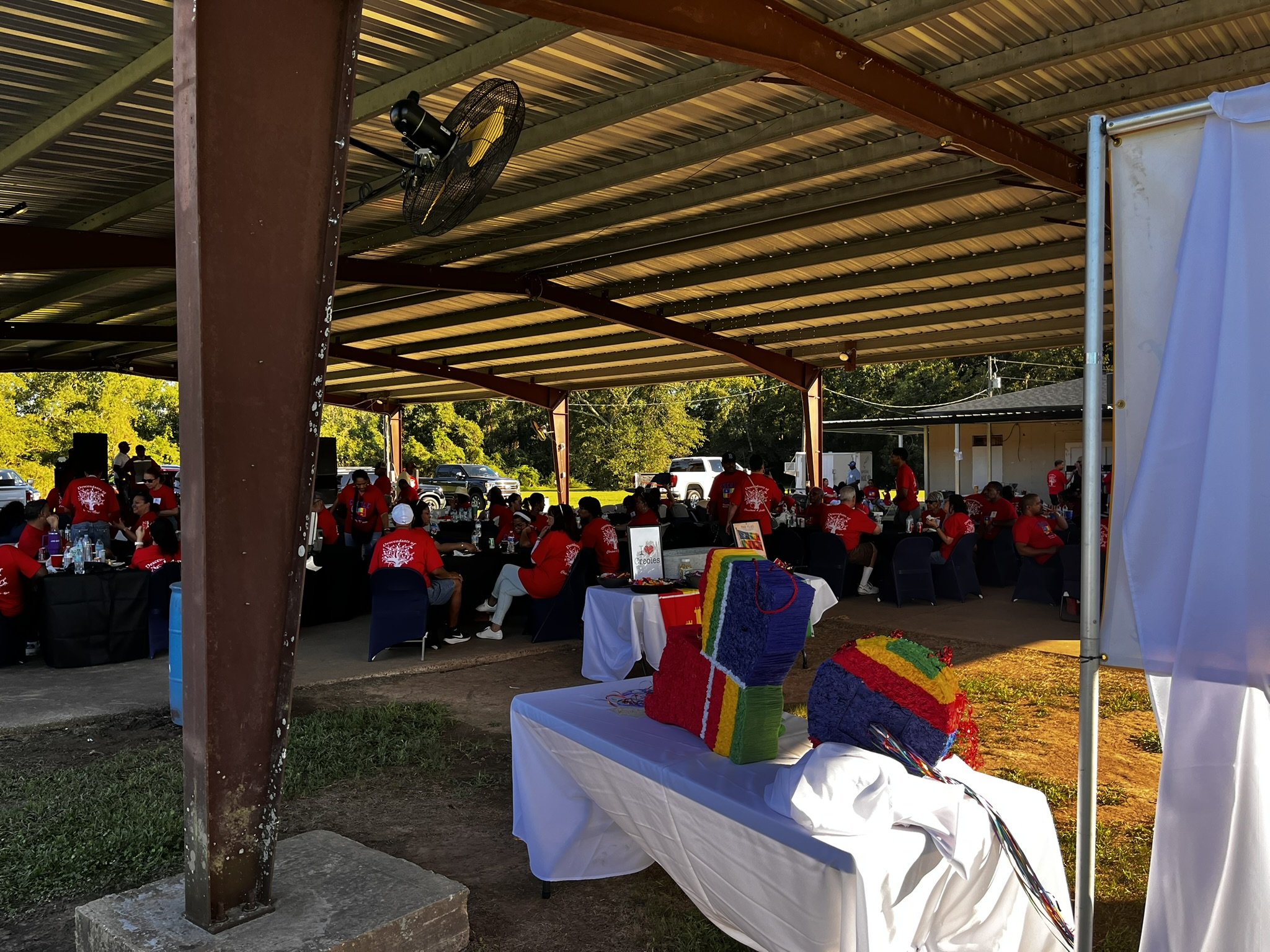
And there was another significant connection that I recognized while attending the reunion.
My cousin Desmond RIDEAU, who gave a speech during the reunion, descends from Leon Jacques LAFLEUR, another child of Jacques LAFLEUR. So as I began looking around and identifying the family relationships of the people gathered together, I realized that we had descendants representing multiple children of our common ancestor Jacques LAFLEUR.
Then you have the RIDEAU family itself, whose ancestry also connects through Valmont LAFLEUR, the brother of Jacques. In other words, the families gathered at this reunion represented several generations of descendants from these closely connected LAFLEUR branches. In fact, from the family relationships I have documented, there were representatives of all of Jacques LAFLEUR's children of color in attendance.
And that is what made this discovery so remarkable. Although everyone had gathered to celebrate the descendants of Christoval RIDEAU and Cecilia FRILOT, many were also descendants of the same LAFLEUR family through different ancestral lines.
Even Zenon RIDEAU's first wife was descended from the family of Jacques LAFLEUR through the LAVINE family, originally LAVIGNE. Then you had the descendants of Clara, Alicia, Francois, and Leon Jacques LAFLEUR, along with those connected through Jacques' brother Valmont LAFLEUR.
And when you begin considering the COLLINS family and other relatives who were also in attendance, you start to understand just how extensive these family relationships actually are.
This is why I often tell people that when researching families throughout Southwest Louisiana, you cannot always research one surname without eventually encountering several others. These families were connected long before many of us were born, and those relationships have continued through generations.
More Than a RIDEAU Family Reunion
Now, let's talk about some of the surnames I saw represented at this reunion. I saw the ELLIS, BOAGNI, COLLINS, SEMIEN, GOUDEAU, and RIDEAU families, along with several other surnames that have been associated with this community for generations. What fascinated me was that so many of these families have historical connections that I can trace through the records, particularly the 1870 census.
As a research historian, I can look at the 1870 census and recognize surnames whose descendants are still living in and around these same communities more than 150 years later. And when you begin examining their family relationships, you realize just how many of these families are connected through marriage, ancestry, and generations of living alongside one another.
So, in my opinion, this wasn't just a RIDEAU family reunion. It was practically a community reunion that represented the migration and settlement of several families who came together and eventually established their roots in Palmetto, Lebeau, and the surrounding areas of St. Landry Parish.
One thing people should understand is that the RIDEAUs were not always established in this particular community. When Zenon RIDEAU made his purchase during the mid-1800s, it was part of a much larger history of families establishing themselves in this area. Following emancipation, several families migrated from Avoyelles, Rapides, Pointe Coupée, and other areas, eventually making their homes in these communities along the railroad.
Many of these families shared the Catholic faith, attended the same churches, married into one another's families, and raised generations of children who continued those relationships. Over time, these different family branches emerged as one closely connected community.
And that is what made this reunion so significant to me. I wasn't simply looking at people wearing red shirts and enjoying themselves. I was looking at the descendants of families whose ancestors I could trace through census records, Catholic registers, property transactions, succession records, and other historical documents. These were families whose surnames I had encountered repeatedly throughout nearly two decades of research.
Just imagine being able to walk around a family reunion, recognize a surname, and immediately begin thinking about the ancestors, records, and family relationships associated with that name. That's exactly what I was experiencing throughout the day.
The Old Creole Families Along Highway 71
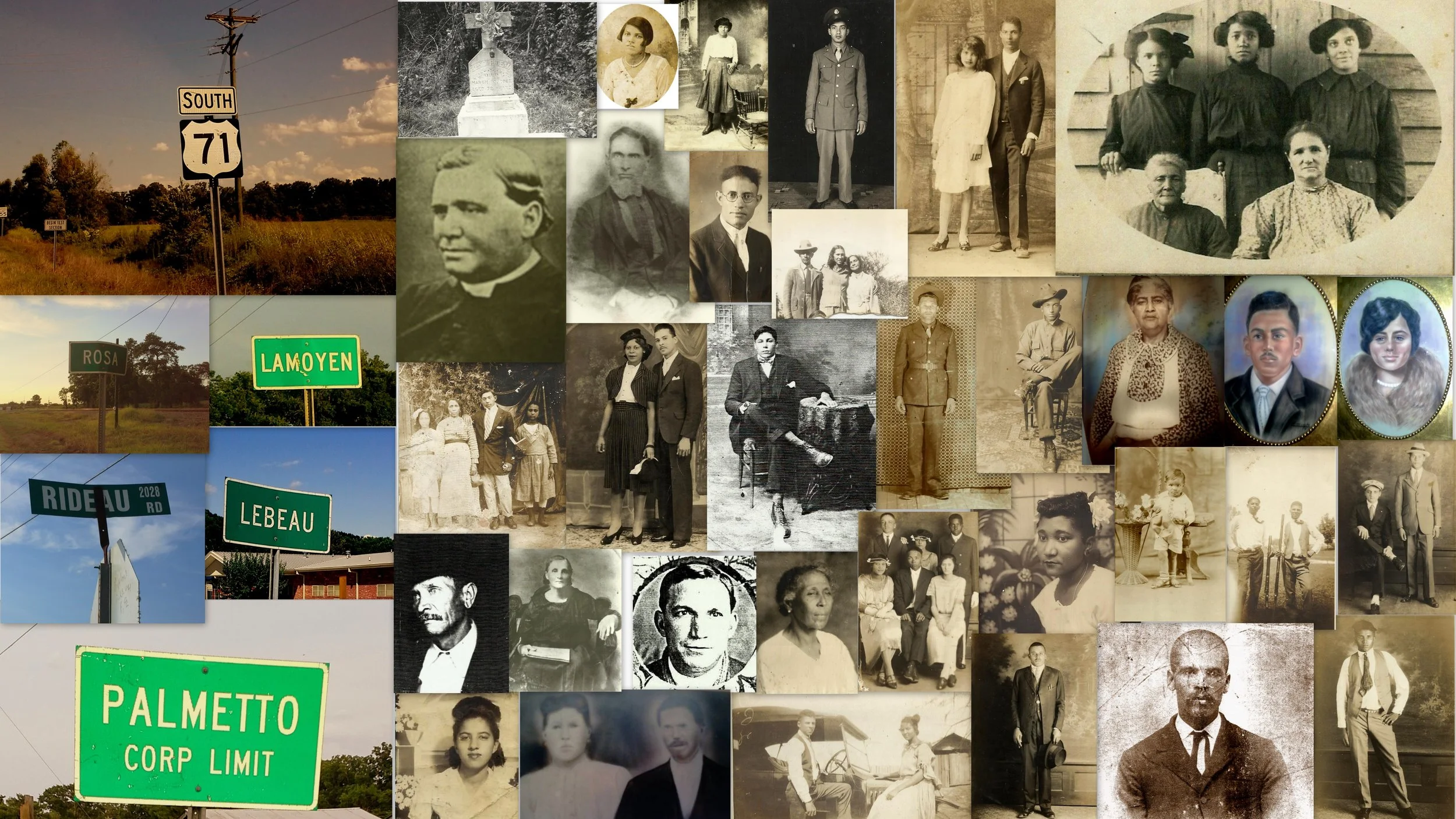
Something else I want to share is that I am currently working on a genealogy book tentatively titled The Old Creole Families Along Highway 71, documenting the history and genealogies of the families who established themselves in the Palmetto-Lebeau communities of St. Landry Parish.
These are the families I often refer to as the "Highway 71 Creoles," many of whom descended from people who migrated from Avoyelles, Rapides, Pointe Coupée, and other parts of Louisiana. Through census records, Catholic registers, succession documents, and property transactions, I am reconstructing their histories, tracing their ancestral origins, and documenting how these families became connected through generations of marriages, landownership, and community traditions.
This is a project that means a great deal to me because I want to document not only the genealogies of these families but also the history of the communities themselves. I want people to understand where these families originated, how they migrated into the area, and how their descendants became connected through marriage, religion, landownership, and generations of family relationships.
What makes this project particularly interesting is that I can examine the 1870 census and begin identifying many of the families whose descendants remain connected to these communities today. Through Catholic records, succession documents, property transactions, and other historical sources, I am able to reconstruct the relationships between families who migrated from different parts of Louisiana and eventually established themselves along this corridor.
When you consider the Catholic churches, the railroad, the land they acquired, and the families who continued to live near one another, you begin to understand how these communities developed and maintained their identity over generations.
For me, the significance of the Highway 71 Creoles is understanding how families with different origins became part of one extended community. Even today, you can look at many of the surnames associated with Palmetto and Lebeau and trace their ancestors back to the same households and neighboring families recorded more than 150 years ago.
And attending the RIDEAU reunion gave me an opportunity to witness firsthand many of the family connections that I have been documenting for this book. I was able to see descendants of the RIDEAU, LAFLEUR, LAVINE, SEMIEN, BOAGNI, COLLINS, ELLIS, and GOUDEAU families enjoying themselves, many of whom are related through several generations of ancestry.
To me, this was a living representation of the community history I have been researching.
The Meaning Behind AlexGenealogy and Connecting Families
One of the things I appreciate most about the work I have done over the years is having the genealogical knowledge and, most importantly, the heart to connect people.
After attending this reunion and conducting additional research on Shane BOAGNI's family, I realized that some of the people reading this very article may discover that they are related to one another, whether they knew about those relationships beforehand or not.
And that is one of the things I love most about creating the AlexGenealogy brand.
For nearly two decades, I have spent countless hours researching families, examining historical documents, identifying ancestors, and connecting descendants who may have never realized they shared the same family history. What started as my own interest in understanding my ancestry has developed into something that allows me to share those discoveries with thousands of people.
When people see the AlexGenealogy logo, I want them to understand that there is a history behind it. It represents years of research, documented family connections, historical discoveries, and the relationships I have developed with families throughout Southwest Louisiana and beyond.
And what makes it even more meaningful is seeing how many people have come to appreciate and embrace that history.
Sometimes people recognize me at family reunions because of a historical document I shared years ago. Other times, somebody approaches me with a question about their ancestry, and before the conversation is over, I have been able to establish a connection between their family and another family they may already know.
That is exactly what happened with Shane.
A simple conversation about the BOAGNI family led me to investigate his maternal ancestry, and before I knew it, I was identifying connections to the LAVINE and LAFLEUR families and recognizing how many of the people around us descended from the same ancestors.
Now imagine some of the people reading this article learning that they are descendants of Jacques LAFLEUR, or discovering that their SEMIEN, BOAGNI, RIDEAU, or LAVINE ancestors were connected generations before they were born.
Those are the kinds of discoveries that make this work meaningful to me.
And while there are people like Shane BOAGNI preserving our food traditions and filmmakers like Milton ARCENEAUX documenting the cultural practices of our communities, my contribution is helping people understand the ancestral connections behind those families and traditions.
That is what I want AlexGenealogy to continue representing. Not simply names on a family tree, but the histories of the people, families, and communities that have contributed to who we are today.
Looking Forward to a LAFLEUR Family Reunion
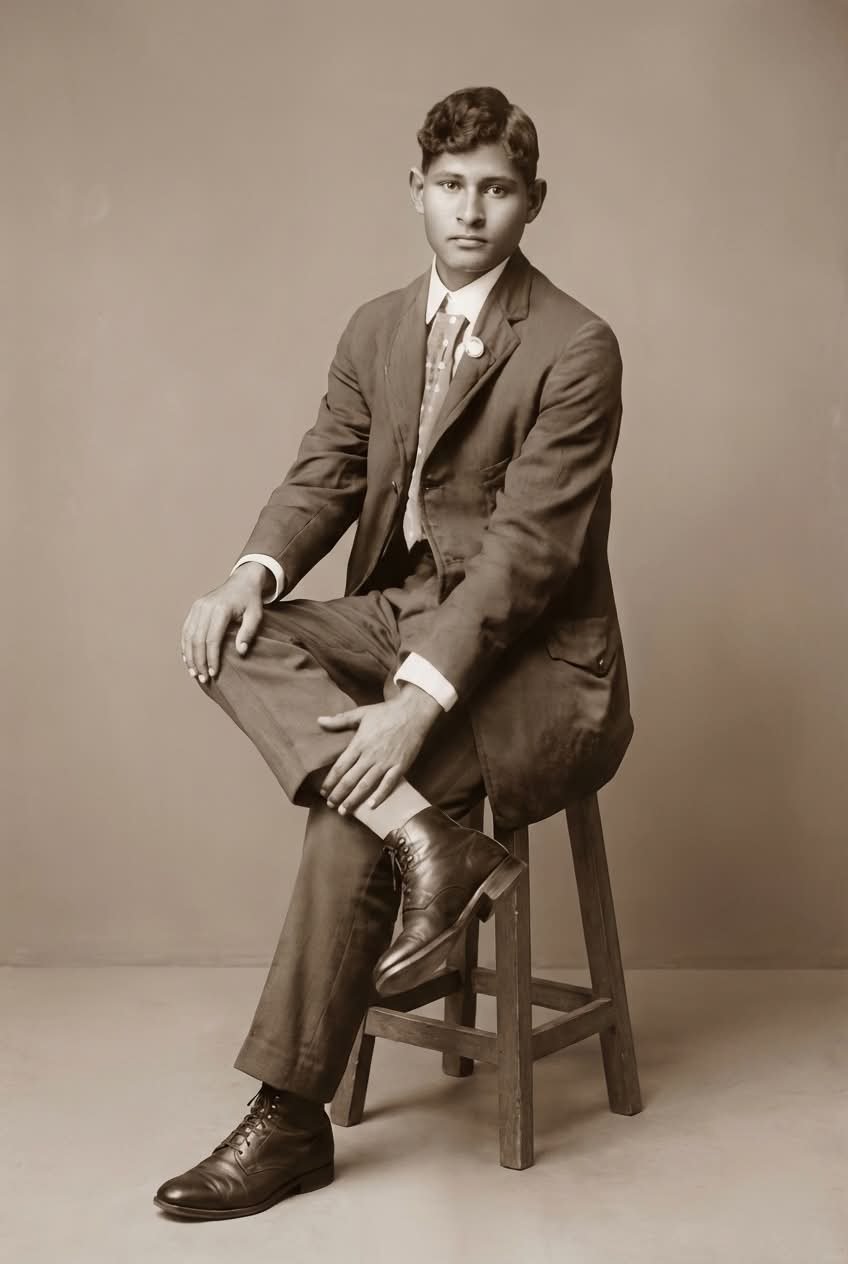
My Great Grandfather Ellic “T-Lec” LAFLEUR
I'll also tell y'all this much. AlexGenealogy will be hosting a LAFLEUR family reunion in the near future!
Considering that my own interest in documenting this family history began with an ancestor who was a LAFLEUR, it is amazing to see how one family connection has led me to document and connect so many different families throughout Southwest Louisiana.
The more I research this family, the more I discover just how extensive the descendants of Jacques LAFLEUR and his extended family have become. Between the RIDEAU, LAVINE, SEMIEN, BOAGNI, COLLINS, and other related families, there are generations of descendants who may not even realize that they share the same ancestors.
And if attending this RIDEAU reunion taught me anything, it is that bringing these families together gives us an opportunity to appreciate those connections beyond what we see in the historical records.
What I experienced in Lebeau was much more than a traditional reunion. It was an opportunity to witness generations of family history gathered in one place, representing the descendants of people who migrated, established communities, raised families, and maintained relationships that continue to this day.
For someone like me, who has dedicated nearly two decades to documenting these families, that experience was something I will always cherish.
To all of my RIDEAU cousins and the families of Palmetto-Lebeau, thank y'all for the hospitality, the wonderful food, the music, and most importantly, the love.
And to Shane BOAGNI, thank you for reminding me why so many of us cherish our Louisiana Creole culture. Seeing everyone come together, enjoying food, celebrating family, and preserving traditions is exactly what makes these experiences so special.
I look forward to sharing more of the history of the Highway 71 Creoles and continuing to document the family connections that have brought so many of us together.
Because when you understand the history behind these families, you begin to appreciate just how much we all have in common.
