

Filling Education Gaps
Public Genealogy Education & Institutional Programming
with Alex Genealogy
Public interest in genealogy and family history research continues to grow, yet many institutions lack the capacity, staffing, or specialized expertise to provide consistent, high-quality genealogical education.
Alex Genealogy partners with organizations to design and deliver accessible, accurate, and culturally responsive genealogy education that meets public demand while aligning with institutional missions.
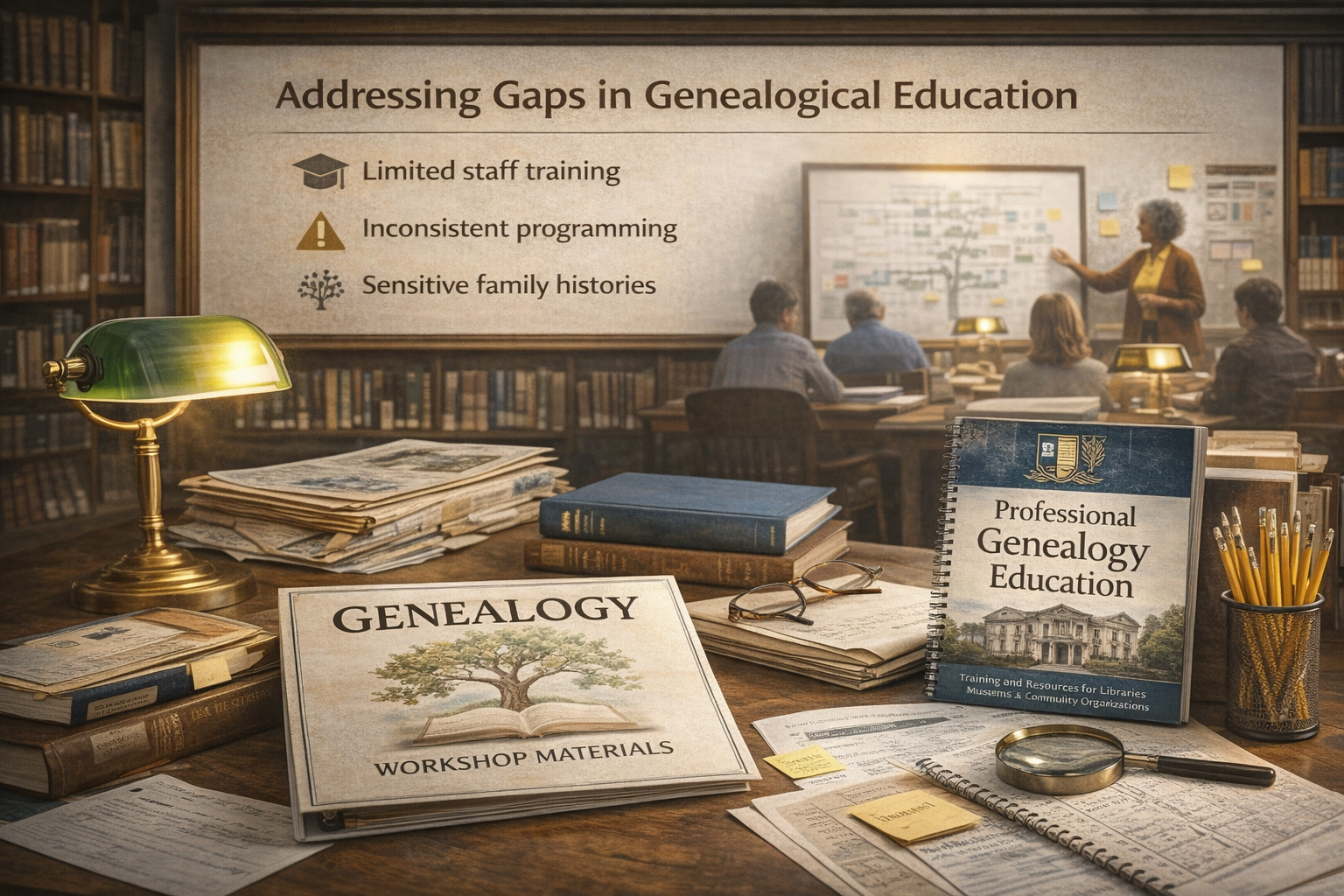
Addressing Gaps in Genealogical Education
Libraries, museums, cultural institutions, and community organizations are increasingly called upon to offer genealogy programming, often without dedicated genealogical specialists or standardized curricula.
Common challenges include:
Limited staff training in genealogical research methods
Inconsistent or ad hoc genealogy programming
Difficulty addressing complex or sensitive family histories
Public demand exceeding available educational resources
Professional genealogy education helps institutions meet these needs with confidence and credibility.

Public Genealogy Education & Programming Services
Alex Genealogy develops and delivers educational programming that supports:
Genealogy workshops and classes for public audiences
Staff and volunteer training on genealogical research methods and best practices
Educational series for libraries, museums, and cultural centers
Accessible instruction on family history research, documentation, and interpretation
Programming is designed to support learners at multiple levels, from beginners to advanced researchers.
Educational Formats & Delivery
Genealogical education programs may be offered through:
Single-session workshops
Multi-session classes or lecture series
Ongoing educational partnerships
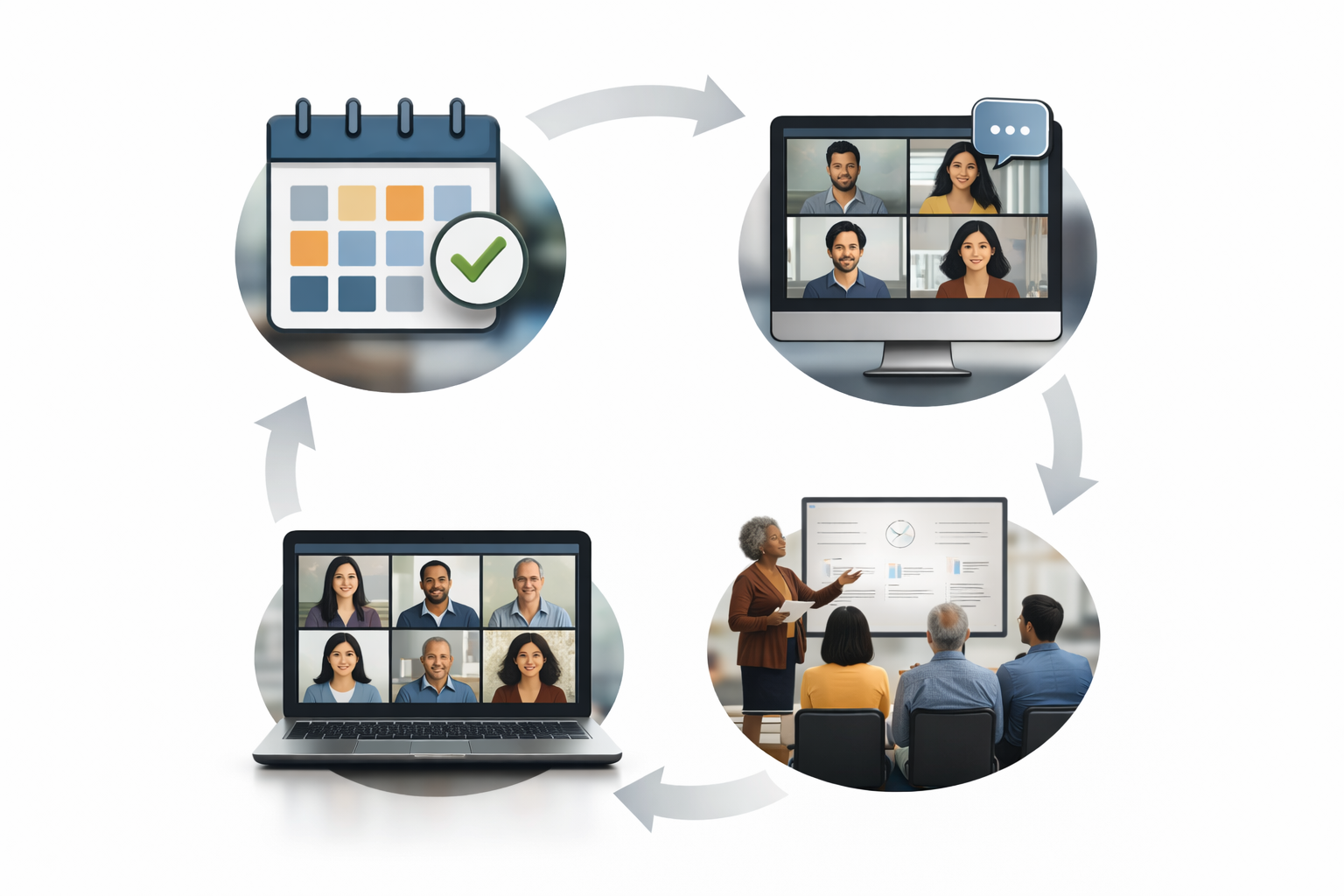
Virtual, in-person, or hybrid formats
Curriculum structure, delivery format, and instructional depth are customized to institutional goals and audience needs.

Inclusive & Community-Centered Instruction
Effective genealogy education must be accurate, inclusive, and historically grounded—especially when working with communities whose histories have been under-documented or misrepresented.
Alex Genealogy prioritizes:
Inclusive research methodologies
Culturally responsive instruction
Ethical approaches to family history research
Clear guidance on documentation and source evaluation
This approach builds trust while empowering participants to conduct meaningful research.
Who This Service Supports
This service is designed for:
Libraries and archival institutions
Museums and cultural centers
Educational institutions and research organizations
Genealogical societies and historical associations
Nonprofits and community organizations
Educational partnerships are structured to complement existing programming and expand institutional capacity.
Engagement Process
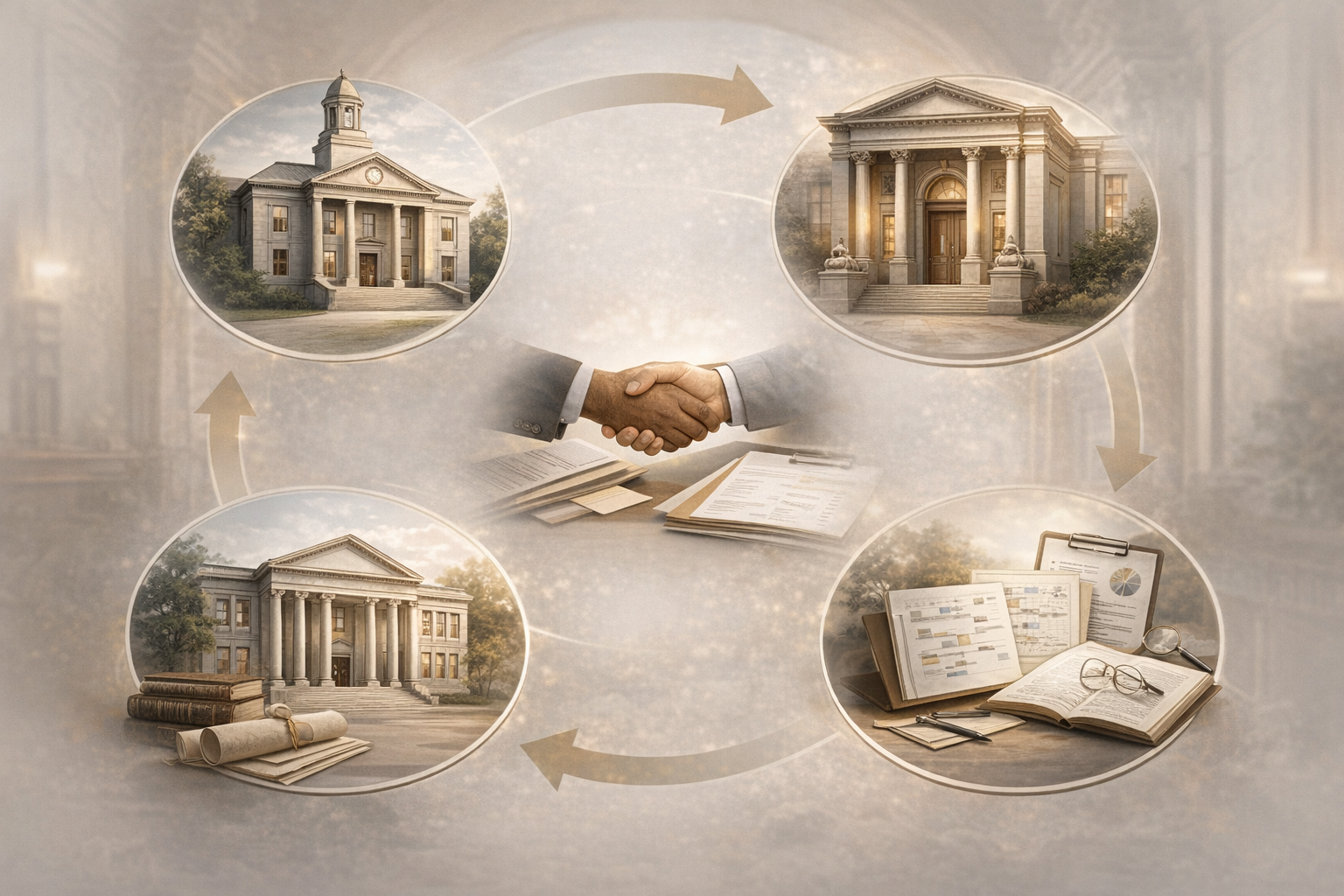
All educational programming engagements begin with a Collaboration Meeting to assess goals, audience needs, format, and timeline.
Curriculum scope, delivery method, and logistics are confirmed prior to implementation to ensure alignment and impact.
Related Organizational Services
Filling Research Gaps
Filling Preservation Gaps
Presentations & Panels
Program & Initiative Development