

Open Your Mind: Rethinking the Narrative You Were Taught
By Alex Da’Paul Lee
Here’s the truth: the version of history most people believe isn’t the one they researched, it’s the one they were taught. And that’s the difference between surface-level understanding and deep ancestral knowledge.
As someone who has spent years conducting extensive genealogical research, particularly into Louisiana Creoles, I can tell you this: questioning what you were told is the first step toward discovering what’s real. At one point as I often watched cowboys movies with my grandparents, I though Indians were the enemy, however, I grew to learn they were only protecting their land. Learning of what happened to Native Americans and how many tribes were systematically eradicated due to the westward expansion of the United States.

Me Learning French from St. Landry Parish Clerk of Court Archivist Keith Fontenot-Jan 25, 2014 taken by: Rose Matthews.
I Don’t Just Study Names, I Know the People
One thing that sets my work apart is that I don’t rely on assumptions. I work with empirical evidence such as records, depositions, and photographs, you know, the firsthand evidence. I probably have one of the largest vintage photo collections in the country when it comes to Louisiana Creoles.
That means I don’t just read about these people. I see them. I know what they looked like, where they lived, who they married, and how their stories connect across generations.
So when people try to debate me on topics I’ve spent years digging into, I know they have no idea how deep I’ve gone. There are only a handful of people I consider qualified to challenge some of the theories I’ve developed because very few have done the kind of rigorous, layered, and multi-generational research that I have.
A few comments stood out when they made a statement as I were romanticizing stories when I am only stating what the record says from the people who lived and experienced this. This led me to sharing additional information was shared regarding slavery and how some slave owners actually had relationships with their slaves. As much as I would never romanticize this horrible and inhumane institutionalized circumstance of our ancestors, some things were exemptional, and with extensive documentation to prove thereof.
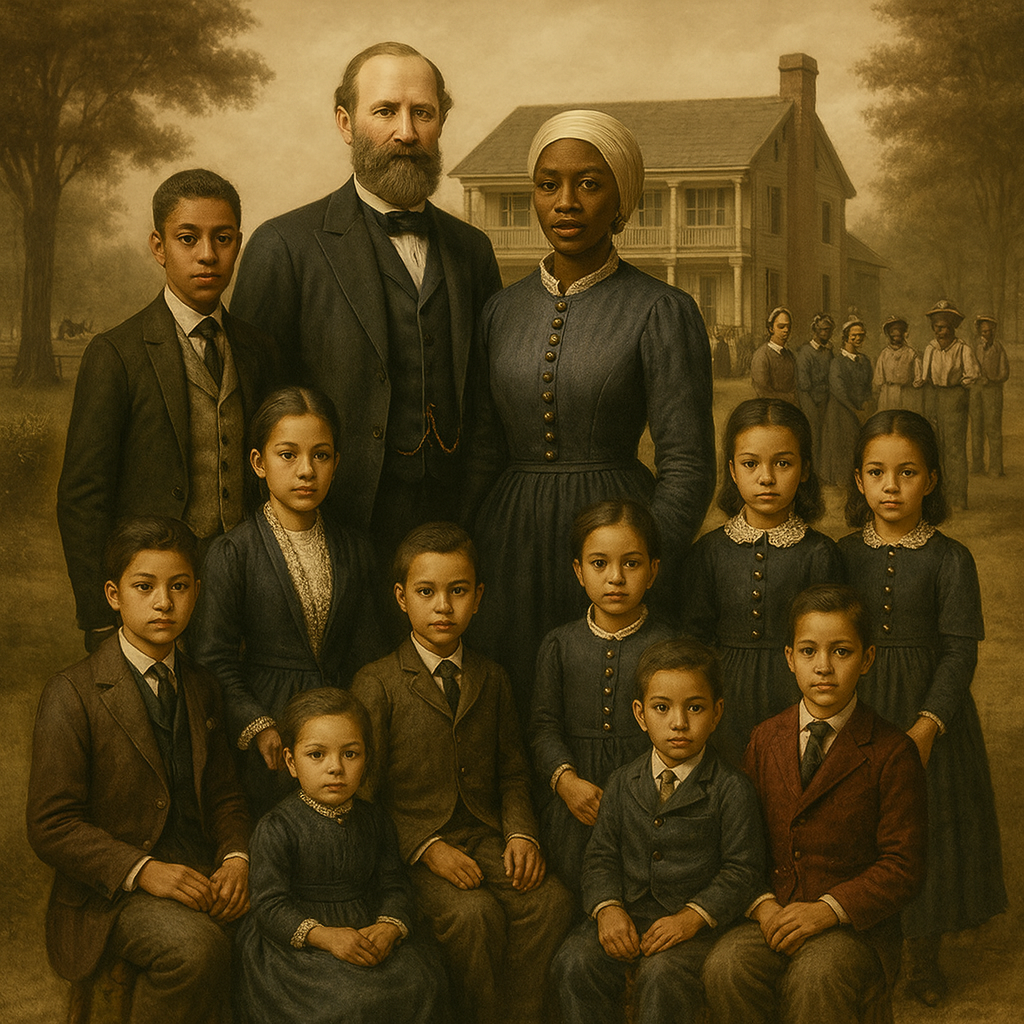
Testimony From the Past: A Prominent Creole Man Speaks
Let me give you an example of what I mean by evidence. I have am 18th century legal document, an official deposition, given by Mr. Noel CARRIERE, one of the most prominent and affluent Creole men in New Orleans during the time. He gave a sworn statement regarding my family, where he openly discussed the relationship between a plantation owner and my ancestor, an enslaved woman of color, whom the owner had purchased along with her child. “CARRIERE affirmed that Claudio publicly acknowledged his slave LOUISON as his partner and treated their children, María, Antonio, Feliciana and Juan Batista as his own.” -Noel CARRIERE. He further stated that Claudio intended to free these children and provide for them as heirs, a fact widely known in the community as this was translated from Spanish, revealing the extent of the relationship that Claudio’s wife despised. She ended up kicking them out the big house and planned to sell them off

1795 Jun 23 https://www.lacolonialdocs.org/
Most people would stop at the word “slave” and assume she was treated solely as property, subjected to hard labor and oppression. But this deposition revealed something far more complicated. It spoke to an actual relationship, an emotional and social dynamic that contradicts the simplistic version many are taught. Even the daughter of this relationship expressed the following sentiments,
Now, does that mean slavery was humane? Absolutely not. But what it does mean is that not every story fits the same mold. People had emotions. They formed connections. And some enslaved women, as documented by both testimony and pattern, were in positions where they made choices ,yes, choices in navigating their environments.
I have testimony from the 19th century featuring a man named Olin VIDRINE, who spoke about life on his plantation and revealed that women were allowed to choose the men they wanted to be with, something most people assume never happened. It is often believed that the plantation owner made those choices, but his deposition challenges that assumption.
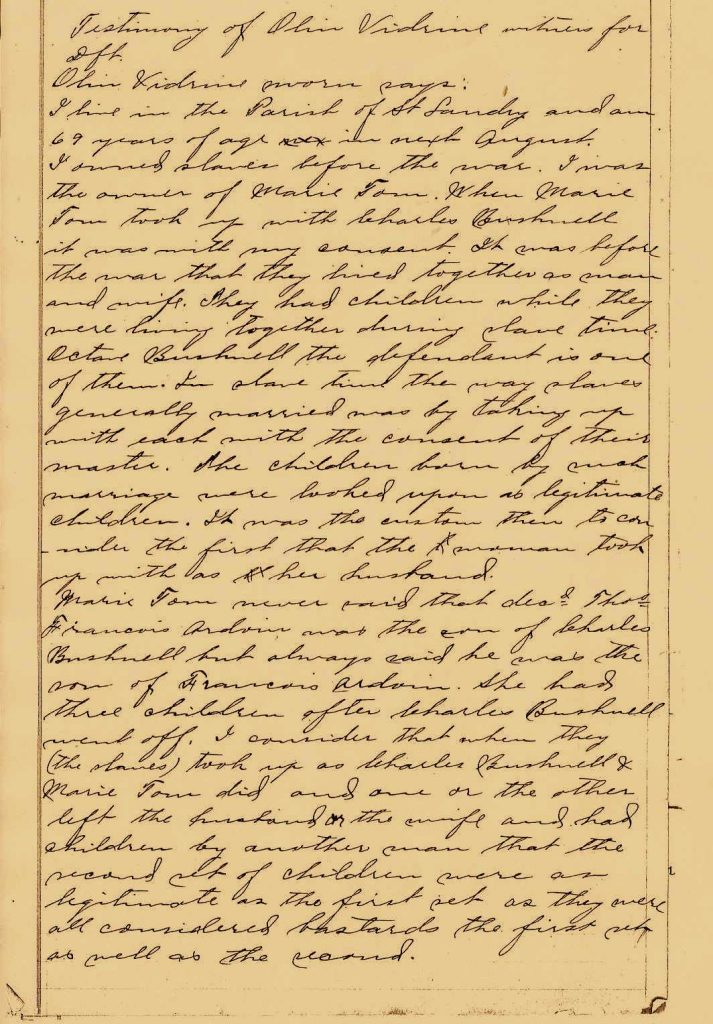
Transcription:
Olin VIDRINE, “I live in the Parish of St. Landry and am 69 years of age next in next August. I owned slaves before the war. I was the owner of Marie TOM. When Marie TOM took up with Charles BUSHNELL it was with my consent. It was before the war that they lived together as man and wife. She had children while they were living together during slave time. Octave BUSHNELL the defendant is one of them to slave time. The way slaves generally married was by taking up with each with the consent of their master. The children born of such unions were looked upon as legitimate children. It was the custom then to consider the fact that the woman took up as their husband.”
Marie TOM never said that old man Francis ARDOIN was the son of Charles BUSHNELL but always said he was the son of Francis ARDOIN. She had three children after Charles BUSHNELL went off. I consider that when they (the slaves) took up as Charles BUSHNELL & Marie TOM did and one or the other left the husband or the wife and had children by another man that the first set of children would be legitimate to the first set as they were all considered that took the first one as well as the record.
To go a little further in depth, in this same case, another testimony given from Mr. Francois ARDOIN, who admitted that he took Marie from her husband Charles BUSHNELL during slavery and had children with her. She later left him, had another child with a different enslaved man named ALEXANDRE on a neighboring plantation, and then ended up with a white man named Lastie VEZINA. This account came from the mouth of the man she originally had children with, testifying that she was able to pick and choose her men. He said she lived with Lastie who appear in the 1860 census living as a manager or overseer, on Mr. VIDRINE’s plantation.
Marie, the mother of Francois’s children was “choosing the men she wanted to be with.” That’s not something I say lightly. That’s not opinion. That’s a firsthand testimony on record. This changes the narrative. Because as much as we want to believe certain generalized stories, the courthouse records and oral testimonies tell us otherwise.
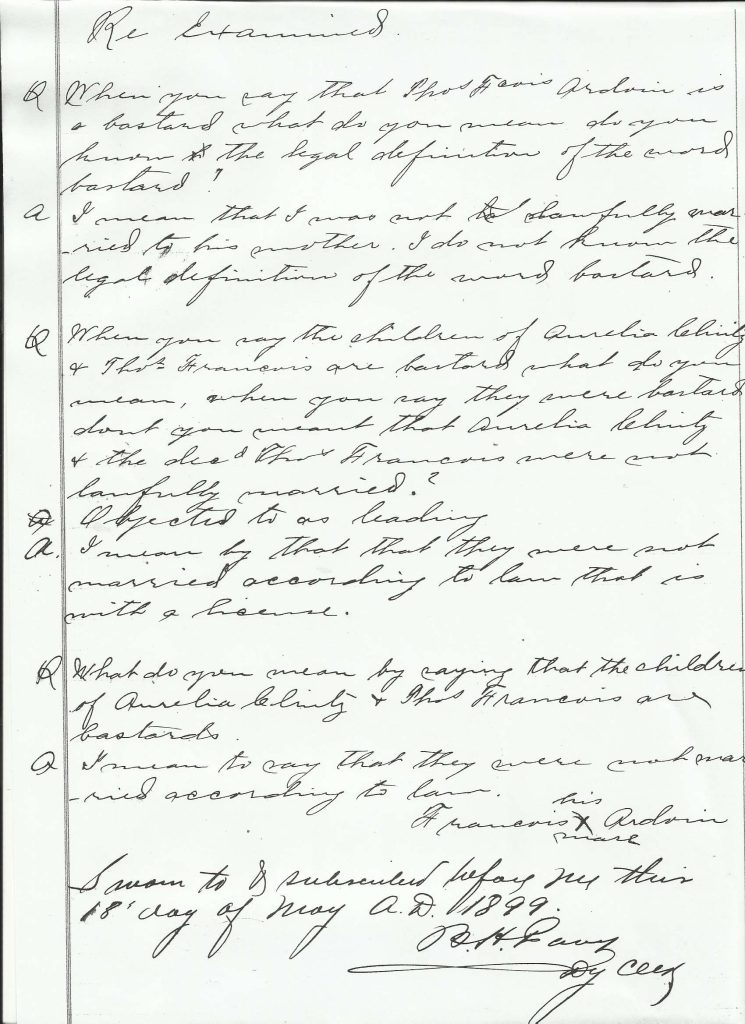
Francois ARDOIN being sworn says:
My name is Francois ARDOIN. I am sixty years of age and have been living in the Parish sixty years.
The first husband of Marie TOM was Charles BUSHNELL; she left him and then took up with me.
Q: Did you have any children with Marie TOM while Charles Bushnell was alive?
A: I had two children by her. The deceased Thos. Francois ARDOIN and another child who died in infancy.
Q: How long did Marie TOM live with you as your wife?
A: She lived with me two years.
Q: What happened then?
A: We separated. This was before the war.
Q: What did Marie TOM then do?
A: She then took another man by the name of Alexandre.
Q: Did she have any children with Alexandre?
A: She had a daughter by Alexandre.
Q: What did she then do?
A: After she then left Alexandre and had a child with a white man by the name of Lastie VIZINA.
Q: When Marie TOM took up with her first husband Charles BUSHNELL, did they have the consent of their master & mistress?
A: No sir, it was during the time of slavery. They just took up this way.
Q: When did Charles Bushnell die?
A: He died after the war.
Free will to an extent, right? That same woman’s daughter later cheated on her husband with another man. These patterns reveal something most people never consider, an agency existed in places we were told it didn’t.
Beyond the Narrative: Question Everything
For years, I assumed what many of us were taught, that enslaved people never left the plantations, had no freedom of movement, and were completely cut off from autonomy. But through research, I learned about plantation passes, about enslaved people being paid for certain work, about some who managed to buy their own freedom.
That’s the thing, we accept what we’re told without asking if it was even researched in the first place. Most people believe what they were taught because it’s easier than challenging the story. But if the teacher never did the research, what are you really learning?
That’s why I say genealogy is not like religion. Religion is often based on faith, emotion, and belief. Genealogy is based on records, documents, and facts. That’s why my research has led me to insights that most people simply don’t consider.
This is why I get frustrated when people, sometimes even family members, make comments about my work based on limited understanding. With all due respect, it often stems from social biases shaped by narratives that never considered the complexity of lives once lived.
Most people repeat what someone else wrote, or they saw one testimony and assumed that’s how it was everywhere. That’s not research, that’s recycling.
Case in point: you cannot watch Alex Haley’s Roots and assume that experience represents every enslaved person, especially those from Southwest Louisiana. Our families had narratives that completely challenge what was portrayed there. However, his work is one of the earliest that shared a narrative of the enslaved which sparked the interest of descendants of American slave to wanting to explore more of the past.
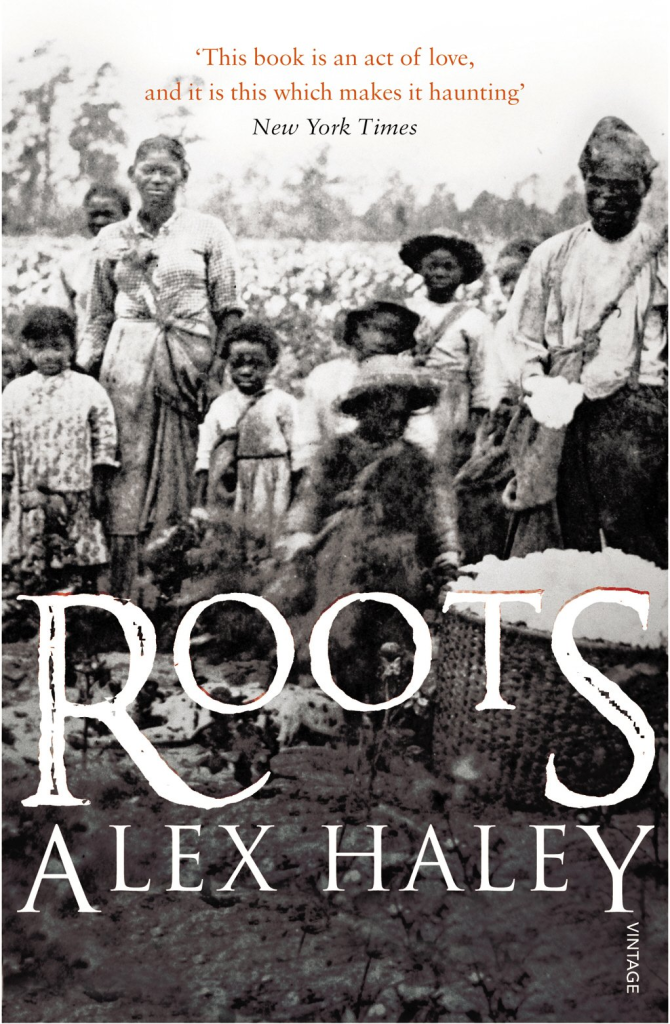

Fortunately for me, I’ve translated countless testimonies and depositions that offer firsthand accounts of life during slavery in St. Andrew Parish. What I’ve learned is this: these people had a whole life outside of what the official records captured, lives they narrated themselves.
Some of these individuals were not legally free, yet they lived with freedoms that defied the laws of the time. I have records of one ancestor’s brother who was technically enslaved but was able to accomplish so much, he even freed his mother and sister before obtaining his own formal emancipation much later. This also explain why his wife lead in most of his legal transactions just in case his liberty was challenged.
Receipts That Change the Narrative
Why do I speak with confidence? When people come to my platform and try to argue or debate with me, I think to myself, “they probably couldn’t even translate what I know, let alone contextualize it. And I say that humbly, because I’ve spent years translating, studying, and connecting the dots in ways few people ever attempt.”
I normally don’t share this much because I’m saving it for documentaries and books. But sometimes, like Kendrick said, “you have to pop out and show them.” Because the truth is this: I have receipts, translated, contextualized, and backed by facts.
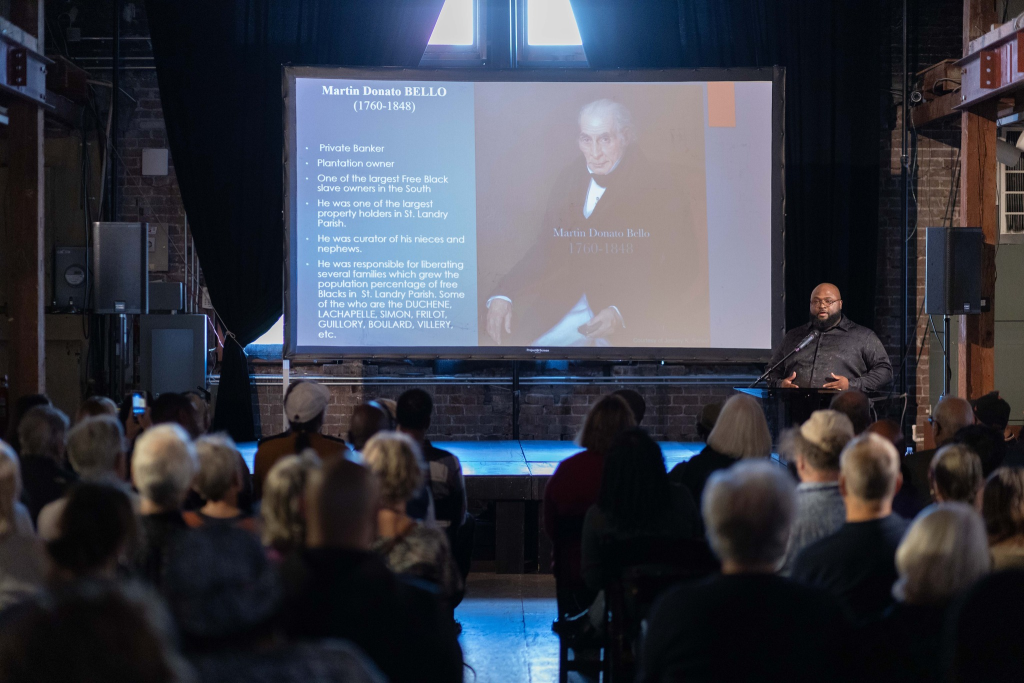
So here’s my message to you all. Keep your mind open. Understand that what you were taught may have been incomplete, or even wrong. Question it. Verify it. Look at the evidence for yourself. Do you know how many of my relatives who descend from the planter class crying the struggle when they can go to ancestral land while their constituents can’t. Yes, I’ve gone that deep because I’ve seen too much, learned too much, and verified too much to ever blindly believe a narrative just because it’s popular or widely accepted.
You may know who you are now. But do you really know where you come from?
I do.
And that’s why I do this work.
Alex,
I applaud and appreciate your contributions to Southwest Louisiana genealogy. You have opened my eyes and my heart to my unique heritage (African, Cajun, Creole).
Continue to share YOUR knowledge and expertise!